
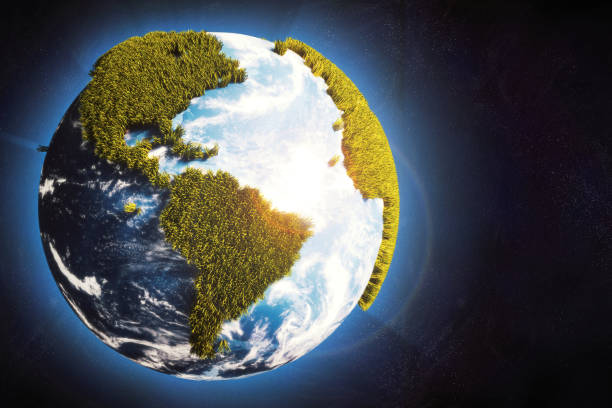
We establish your organisation emissions boundary and identify all your relevant emission sources
We set a base year starting point for your emissions comparisons over time
We identify and collect the type of data available for different emission sources
And finally, we calculate the greenhouse gas emissions attributable to each emission source within your organisation boundary thus creating your carbon account
Your carbon account will include emissions of carbon dioxide (CO2), methane (CH4), nitrous oxide (N2O), hydrofluorocarbons (HFCs), perfluorocarbons (PFCs), sulphur hexafluoride (SF6), and nitrogen trifluoride (NF3)
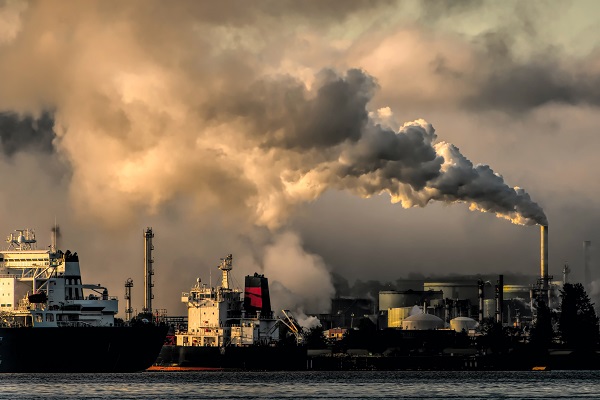
We will help you with your emissions reduction strategy as you step into your carbon neutral journey
Together we will explore emissions reduction measures along the lines of increasing energy efficiency, switching to renewable energy sources, changing practices to replace emissions intensive activities with those that generate fewer emissions, and so on.
We will ensure that your organisation pursues transparency and best practice carbon management in its emissions reduction initiatives and reporting on achievements
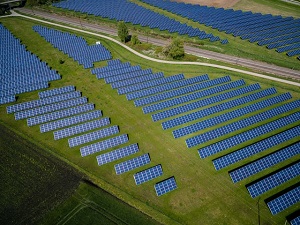
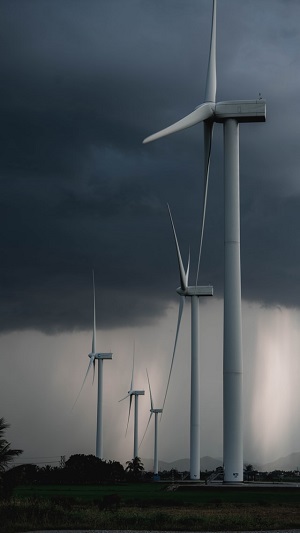
We will help you purchase offsets to compensate for remaining emissions
We will help you develop and maintain a strategy for purchasing and cancelling eligible offset units to claim carbon neutrality each year
The purchase of eligible offset units supports projects that reduce or remove emissions from the atmosphere
Examples of offset units that are eligible under the Climate Active Carbon Neutral Standard include Australian Carbon Credits Units (ACCU’s) issued by the Clean Energy Regulator, Verified Emissions Reductions (VERs) issued by the Gold Standard, Removal Units (RMUs) issued by a Kyoto Protocol country on the basis of land use, land-use change and forestry activities under Article 3.3 or Article 3.4 of the Kyoto Protocol, and others
We will help you with the publishing of your annual report which is a public statement of your carbon neutral claim
Annual reporting keeps the public and other interested parties informed in an open and transparent manner and communicates achievements in managing emissions
To become carbon neutral, businesses and organisations:
Once you have cancelled out your emissions you have reached a state called ‘carbon neutral’ and can be certified
To become certified, businesses enter into a licence agreement with the Department of Industry, Science, Energy and Resources. The licence agreement includes: